

Turning healthcare data into strategic action
Healthcare organizations had no shortage of data. What they lacked was a way to understand how patients, physicians, services, and markets influenced one another.
I led the research, experience strategy, and product design effort behind Market Microscope, a new, patented healthcare intelligence platform that connected previously siloed datasets into a unified analytical model.
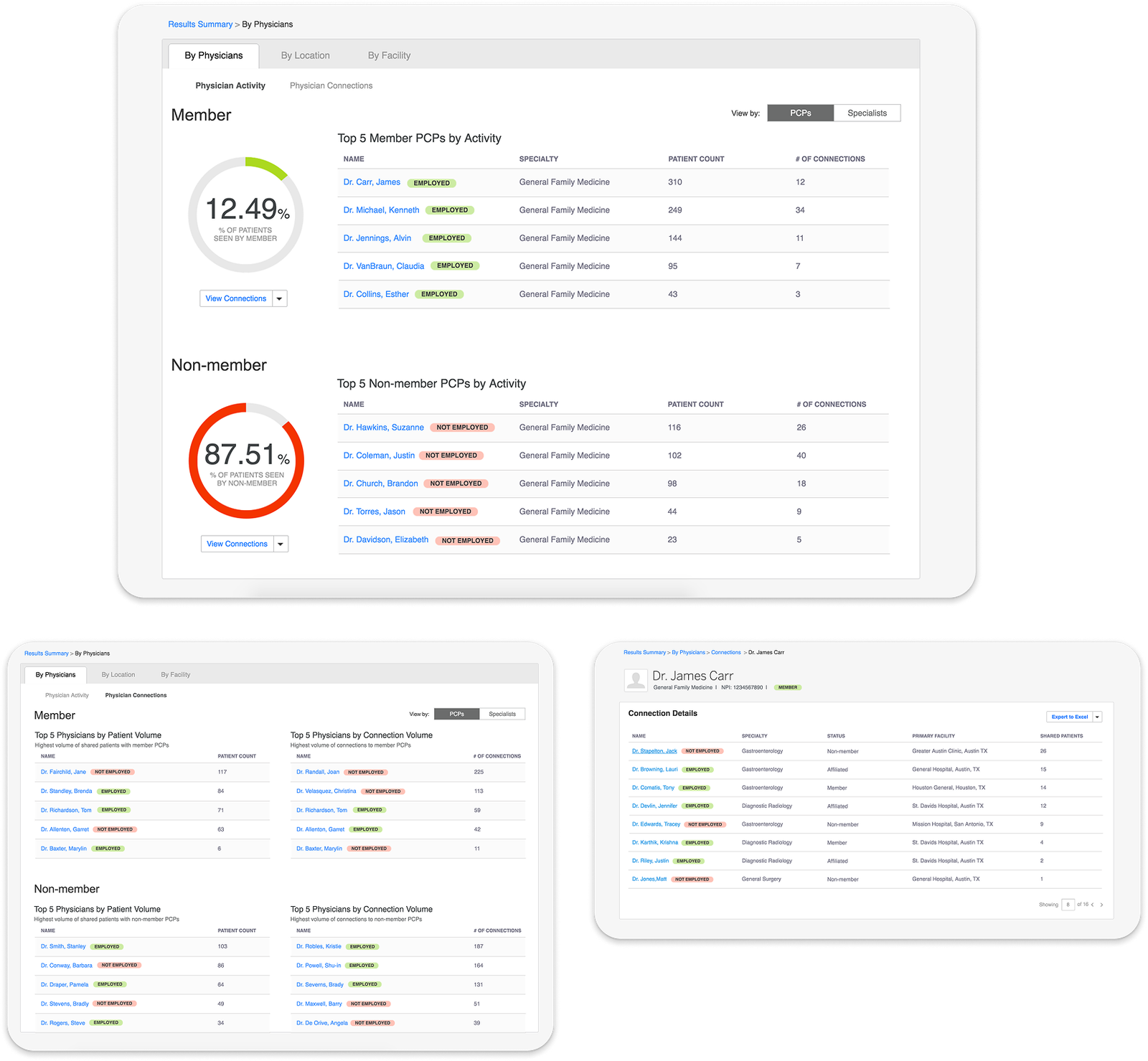
By linking patient populations, physician relationships, diagnoses, procedures, facilities, and market dynamics, the platform helped organizations uncover opportunities that traditional reporting tools simply couldn’t reveal.
The result gave hospital systems the power to uncover granular info about their networks. It introduced a new way for healthcare leaders to investigate markets, identify growth opportunities, and make strategic decisions with greater confidence.
Research & Discovery
Lauren doesn’t have time for your learning curve.
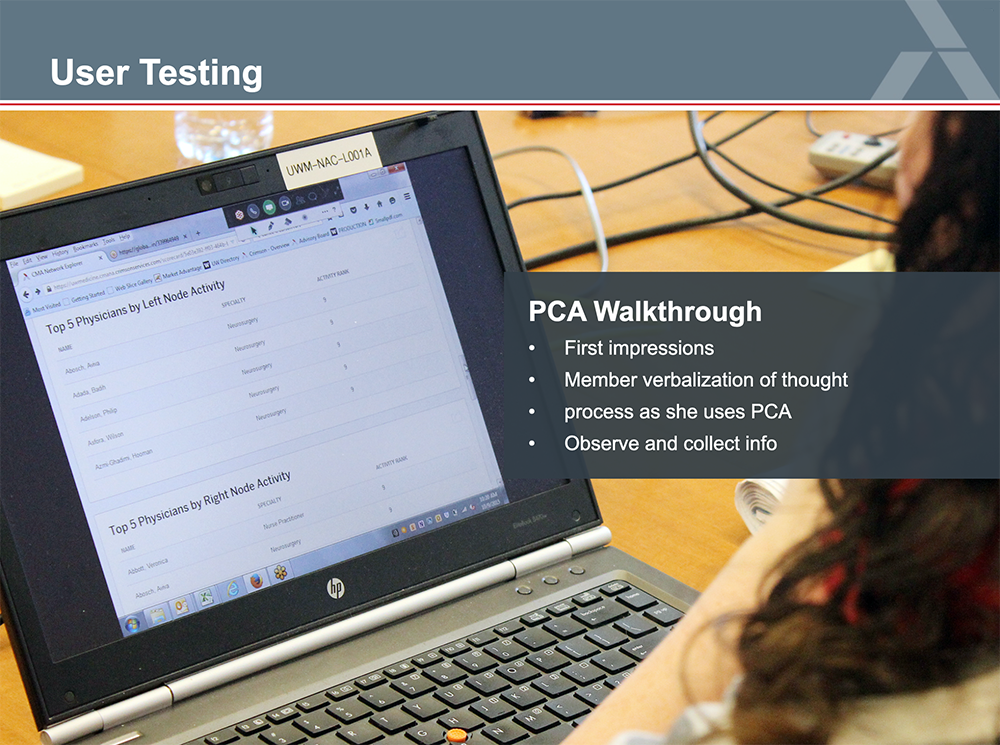
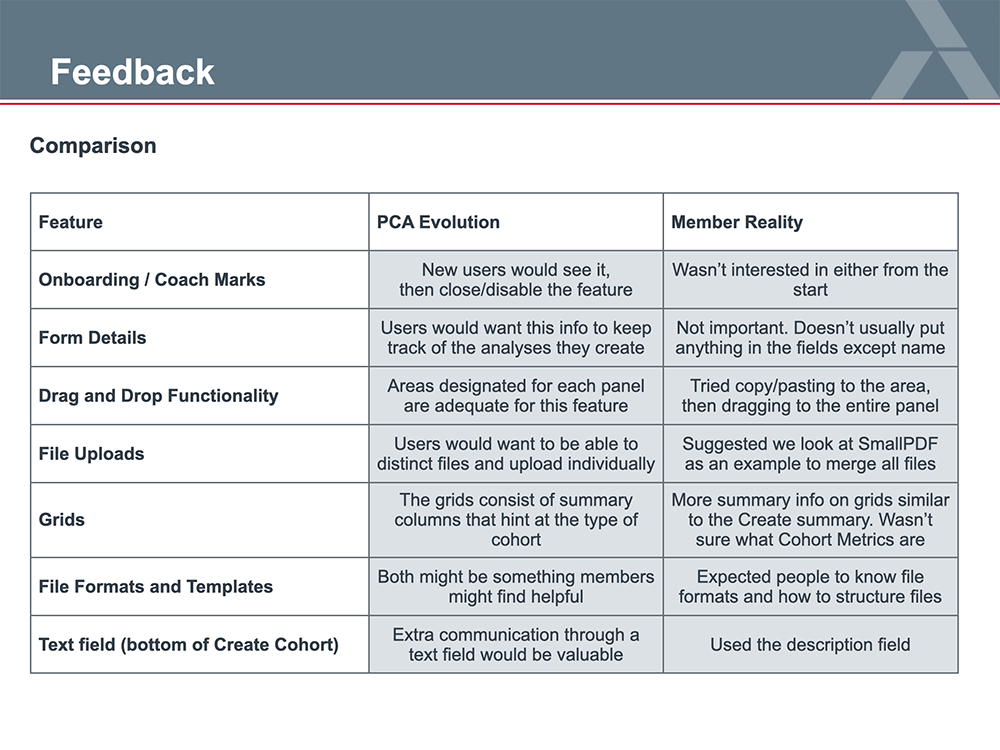
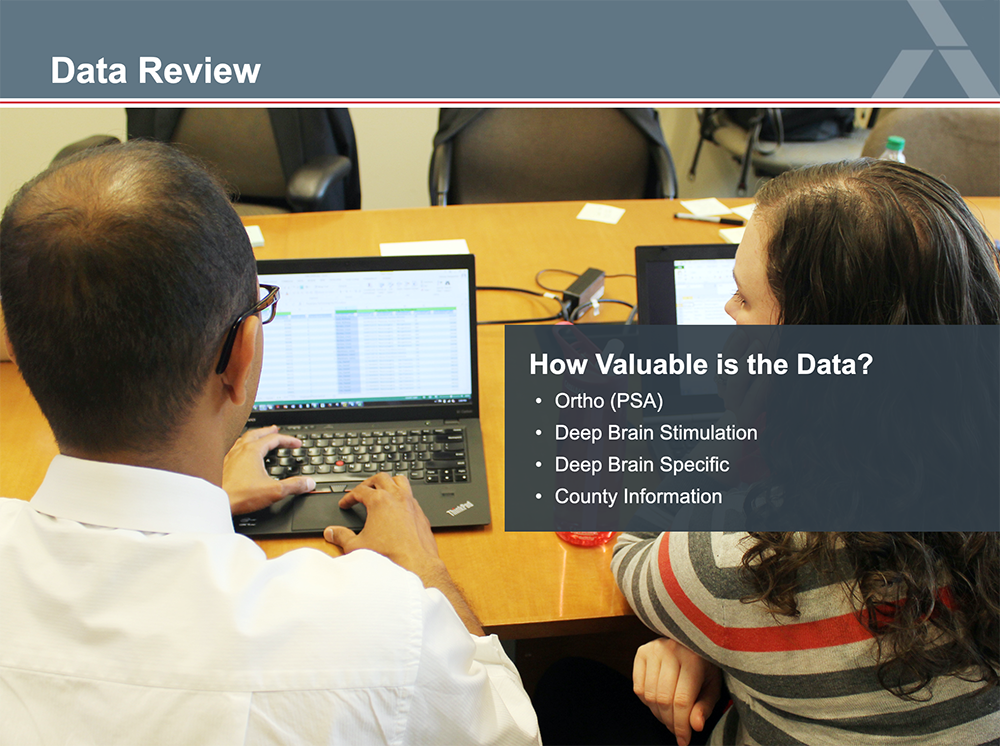
Through interviews, field research, workflow mapping, and usability testing, we learned that strategic planners spent much of their time assembling information from multiple sources before they could begin making recommendations.
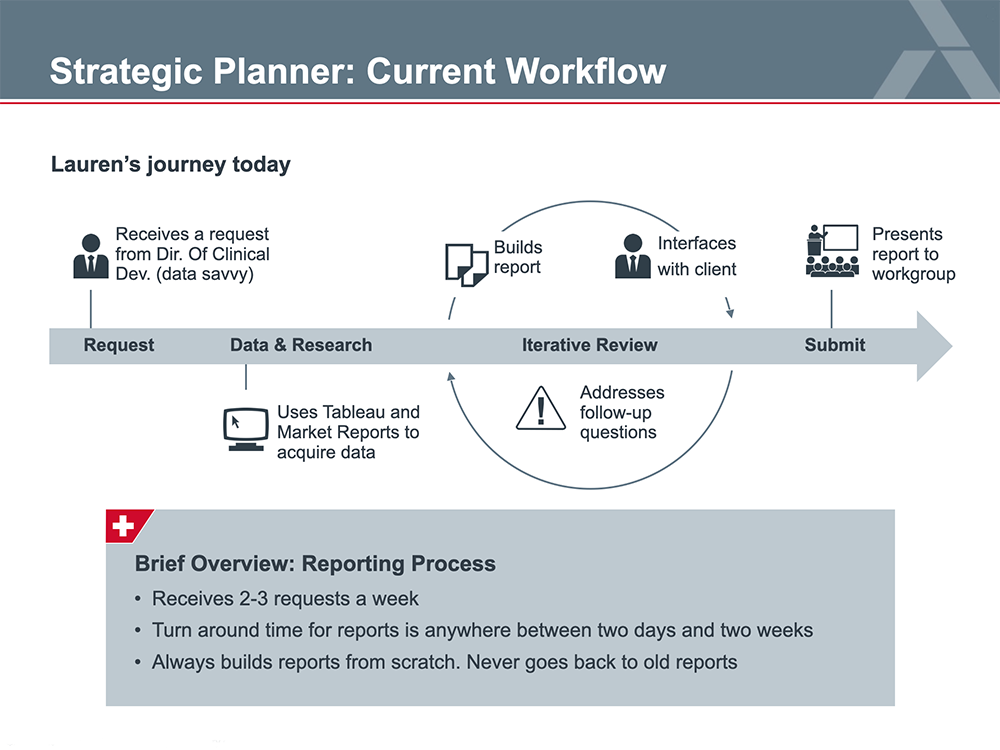
Our primary persona, Lauren, rarely started with a predefined report. Each request required her to gather data from market reports, spreadsheets, Tableau dashboards, and institutional knowledge, then piece together a story that stakeholders could understand and act upon.
The work wasn’t repetitive. Every engagement brought a new question, a new audience, and a new set of assumptions to validate. Reports were often built from scratch, refined through multiple rounds of review, and ultimately used to support decisions around growth, service offerings, physician outreach, and market strategy.
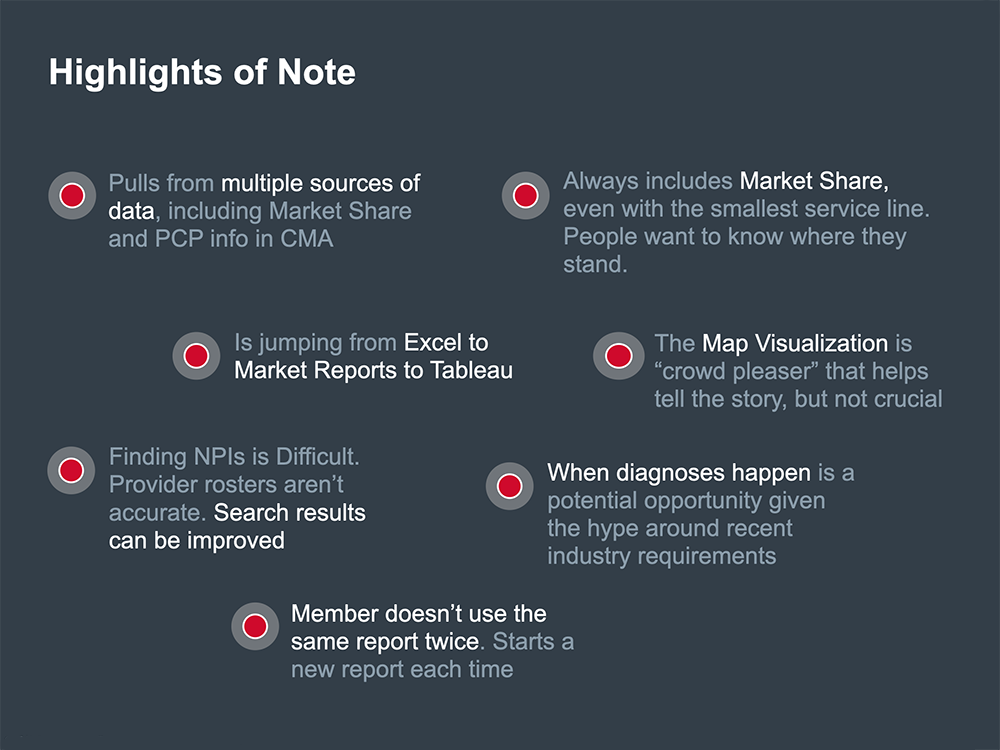
Several themes emerged throughout our research:
- Every recommendation required evidence that leadership could understand and trust.
- Market share was almost always part of the conversation.
- Existing tools helped answer individual questions but rarely connected the full story.
- Planners rely on information scattered across multiple systems.
What strategic planners need:
Trusted Evidence
Confidence in the accuracy, source, and completeness of information used to support major planning decisions.
Strategic Visibility
A connected view of market conditions, service performance, and organizational opportunities.
Actionable Answers
Clearer paths to answering questions about growth, investment, risk, and expansion.
Every request was different. Strategic planners weren’t looking for a better report. They were looking for a better way to investigate complex healthcare questions.
Design Strategy
Help planners build stronger cases for action.
Strategic planners were responsible for turning complex market signals into recommendations leadership could trust. Their work required more than access to data. It required the ability to investigate questions, validate assumptions, and communicate findings with confidence. By connecting previously siloed datasets into a single exploratory experience, the platform made it easier to uncover meaningful relationships across patients, physicians, services, and markets. We organized the experience around the decisions healthcare leaders needed to make rather than the reports available to generate.
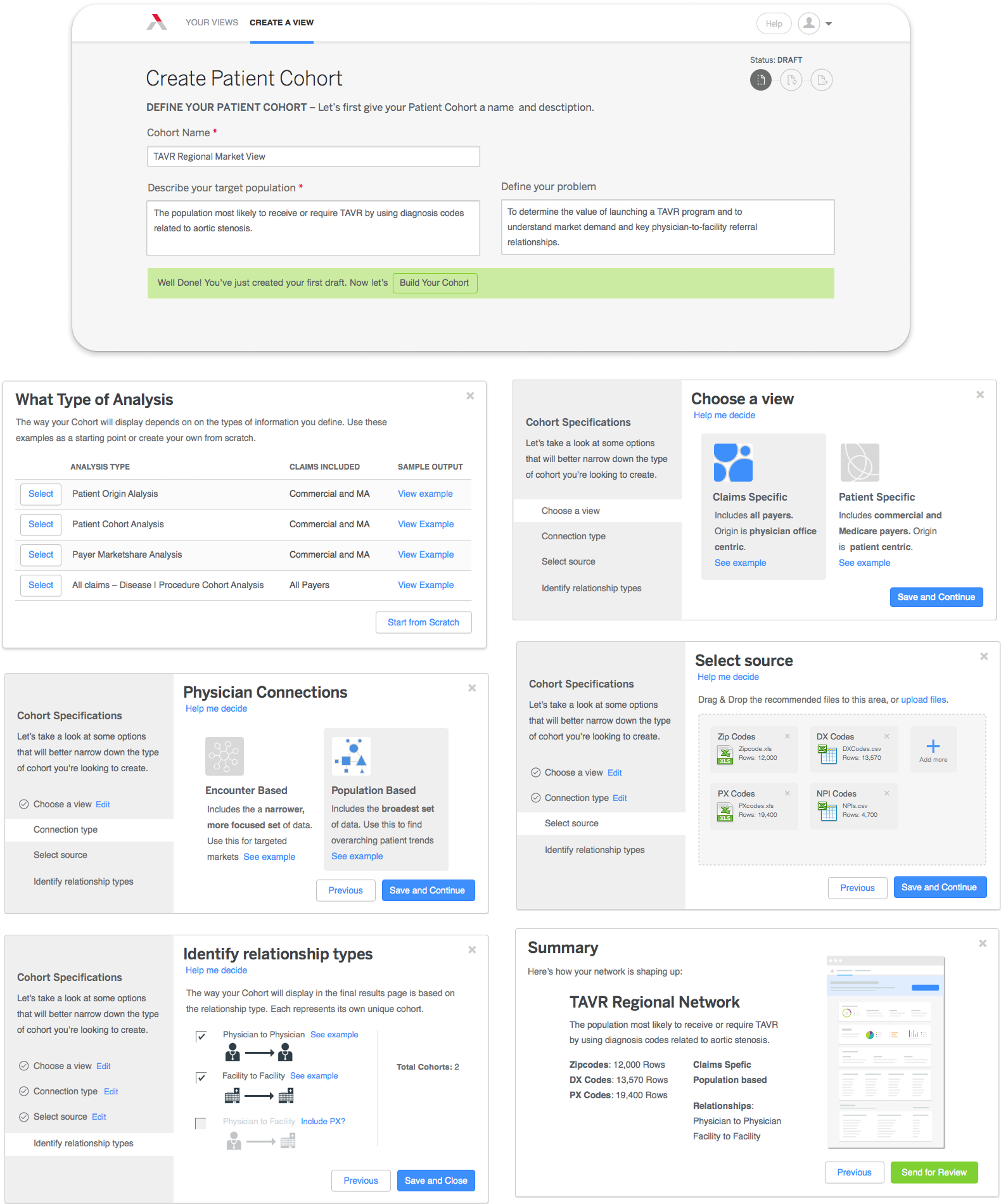
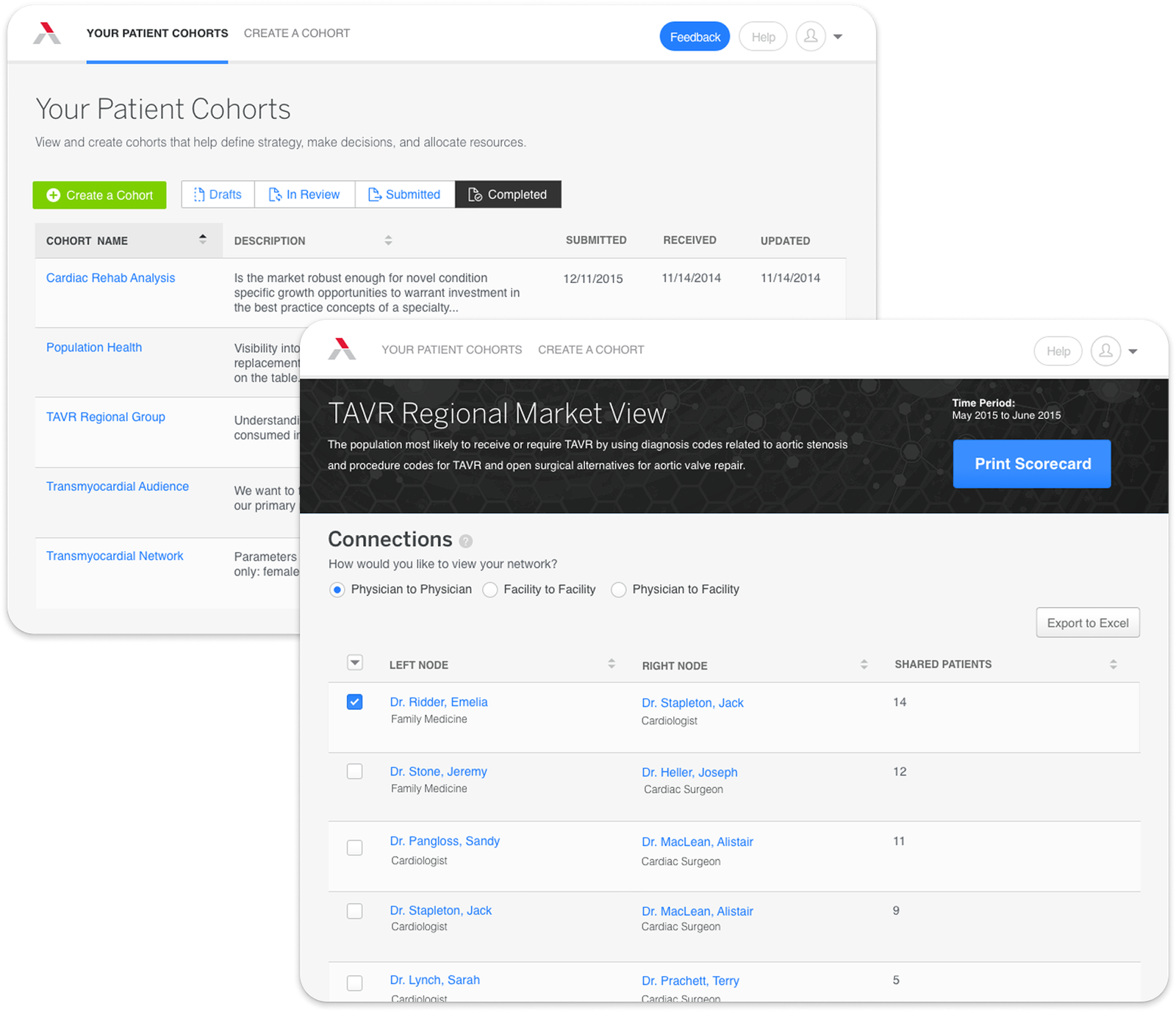
This resulted in a simple, three-step process: Create a cohort, edit/add to your Cohort, then receive the results back. The data output would vary depending on the goals and the inputs given.
Connected Intelligence
Reveal relationships across patients, physicians, services, and markets that traditional reporting couldn’t expose.
Investigative Analysis
Support unique strategic questions without rebuilding reports from scratch.
Strategic Action
Turn healthcare data into evidence leaders could confidently act on.
”“I shared the deep brain stimulation data with the physician liaison for Neurosciences and we found two outreach visits for her to do promptly—potentially converting several future patients and, if all goes as we hope, increasing our surgeon's volumes by over 50%. Very promising.”
Outcomes & Impact
Market Microscope helped healthcare organizations uncover relationships that were difficult (or in some cases impossible) to see using traditional reporting tools. One healthcare leader described using the platform to identify two immediate physician outreach opportunities after reviewing deep brain stimulation data—opportunities that were expected to increase surgical volume by more than 50%.
Stories like these demonstrated the platform’s value beyond analysis. By connecting patients, physicians, services, and market dynamics into a unified view, healthcare organizations could identify opportunities, support strategic recommendations, and make decisions with greater confidence.
What began as a market intelligence initiative ultimately became a tool for investigating complex healthcare questions and turning those insights into action.
Reflection
Market Microscope began as an effort to improve access to healthcare market data. Through research, it became clear that the larger opportunity was helping organizations uncover relationships that traditional reporting tools couldn’t easily reveal.
Looking back, I would have spent more time exploring how emerging technologies could support deeper investigation and discovery. Much of the platform’s value came from helping users connect information across patients, physicians, services, and markets. There was an opportunity to push that idea even further.
The experience reinforced an important lesson: meaningful innovation rarely comes from making information easier to access. It comes from helping people see connections they couldn’t see before.
Capabilities Applied
- Experience Strategy
- Human-Centered Research
- Stakeholder Facilitation
- Journey Mapping
- Complex Systems Thinking
- Information Architecture
- Decision-Support Design
- Healthcare Workforce Planning
- Data Visualization
- Cross-Functional Leadership
- Executive Communication
- Product Design Leadership
User Adoption
71
%
Time Optimization
24
%
Results
The platform succeeded when it became part of how planners worked. Users returned regularly, averaging 21 sessions per month and driving adoption to 71% across the target audience. Time spent gathering information decreased by 25%, allowing planners to focus less on assembling data and more on evaluating opportunities, understanding workforce risks, and supporting strategic decisions. What started as an analytics initiative ultimately became a planning tool.