

Turning scattered knowledge
into organizational capability
Chegg Skills was evolving rapidly. New programs were launching, teams were growing, and product decisions increasingly required coordination across Product, Design, Learning Science, Content Strategy, Engineering, Support, and Research.
As Principal Product Designer, I helped establish the operating practices, research systems, and cross-functional rituals that connected those groups around a shared understanding of learner needs.
The goal was to create a healthier decision-making environment where teams could learn continuously, move with greater confidence, and build on one another’s work.
Shared understanding became the accelerant. When teams worked from the same evidence and context, they could spend less time rediscovering problems and more time solving them.
Research & Discovery
Research existed. Understanding did not.
In early 2025, organizational changes eliminated the dedicated research function, transferring research systems, learner insight programs, and vendor relationships to my purview.
At the same time, teams were experimenting with new AI tools, adopting new workflows, and searching for ways to move faster. Information existed everywhere: research repositories, analytics platforms, surveys, support channels, presentations, and individual project files. Valuable knowledge was being created, but it wasn’t always easy to find, share, or apply.
I stepped into that gap by helping establish shared systems for gathering evidence, managing knowledge, and enabling teams to work more effectively. This included consolidating research operations, creating AI-powered tools for research planning and content development, introducing clearer standards for how insights were documented, and coaching teams on how to select the right methods for the questions they were trying to answer. My focus was to ensure high-quality decisions were easier to make, regardless of which team was doing the work.
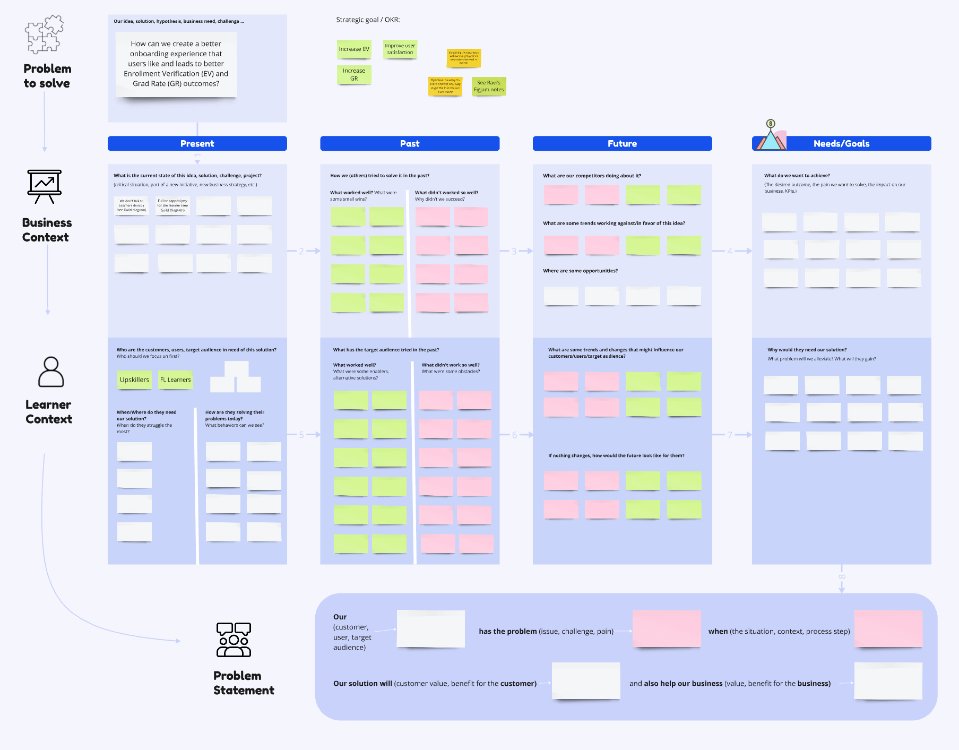
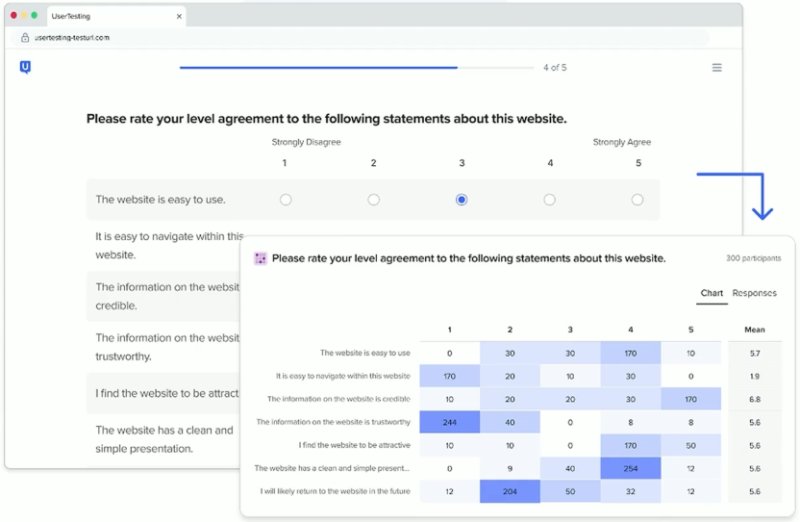
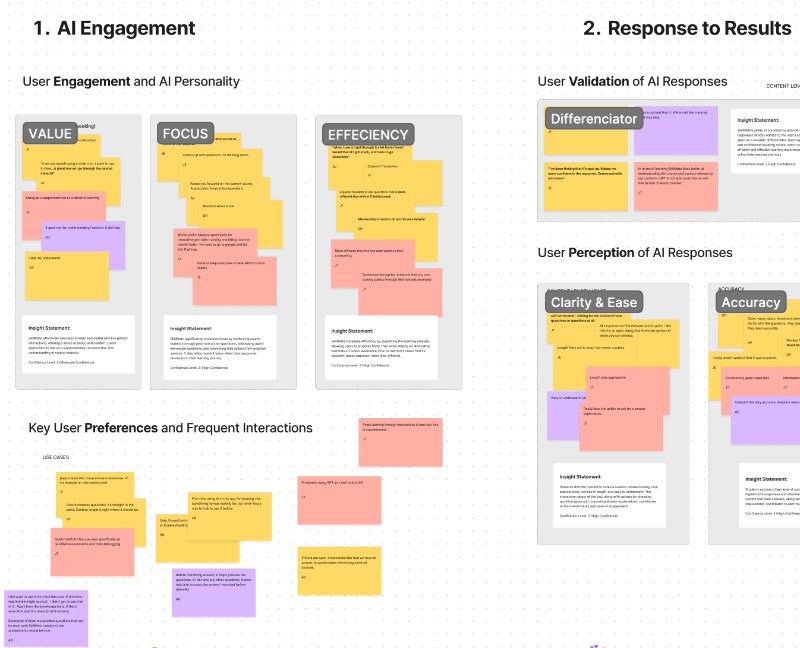
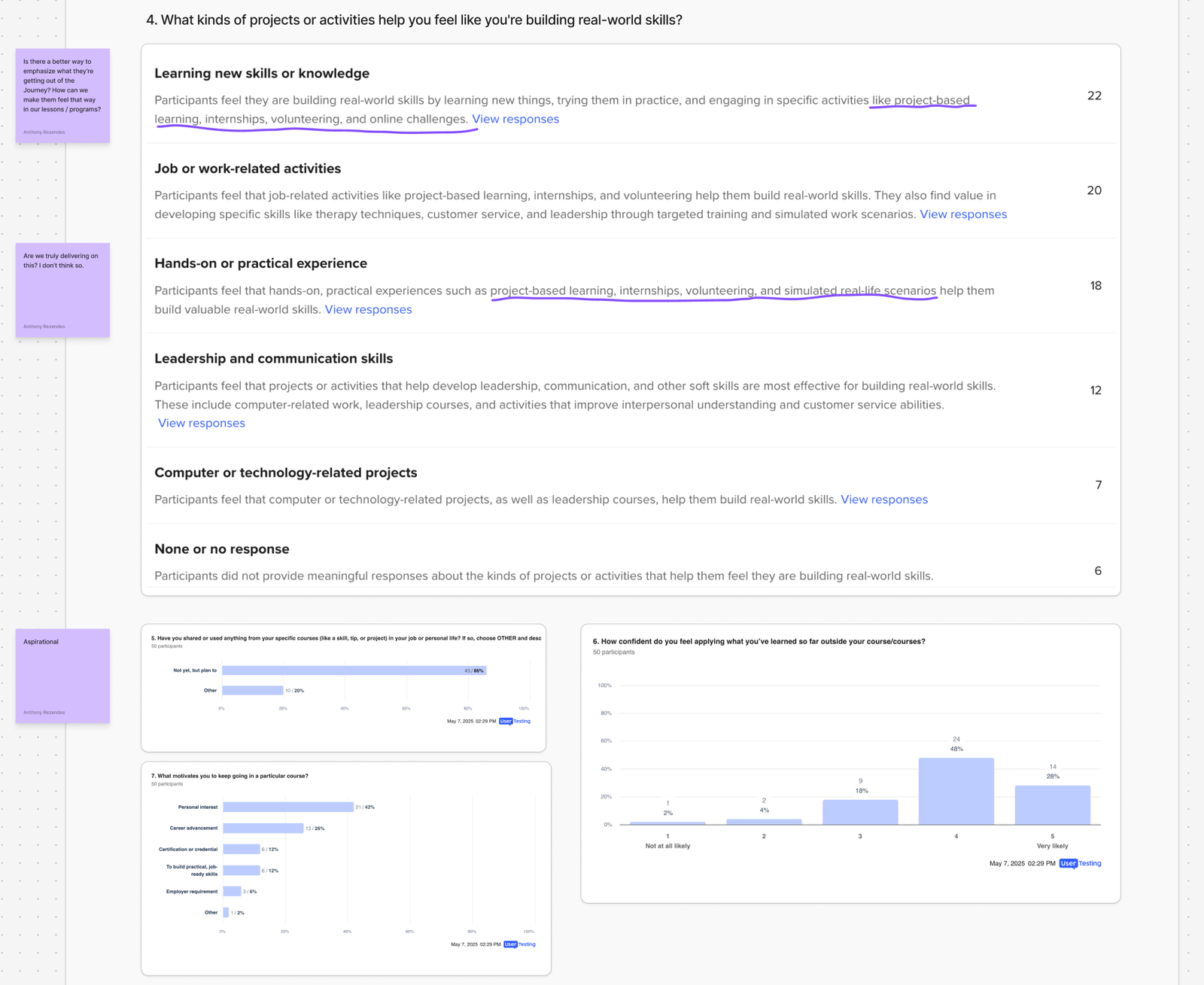
Every team was learning. Very little of that learning was shared universally.
The environment changed. The need for continuity didn’t.
As research responsibilities spread across the organization, consistency became increasingly important. Rather than centralizing every study through a single team, I focused on creating systems that helped teams conduct better research independently while maintaining a shared standard for quality.
This included consolidating research findings into a searchable knowledge base, establishing reporting frameworks, creating guidance for selecting appropriate research methods, and introducing AI-assisted tools that improved research planning and communication.
I established our weekly Voice of the Learner series (left) to create a continuous conversations with the broader team around shared learner feedback, efficacy, and design direction.
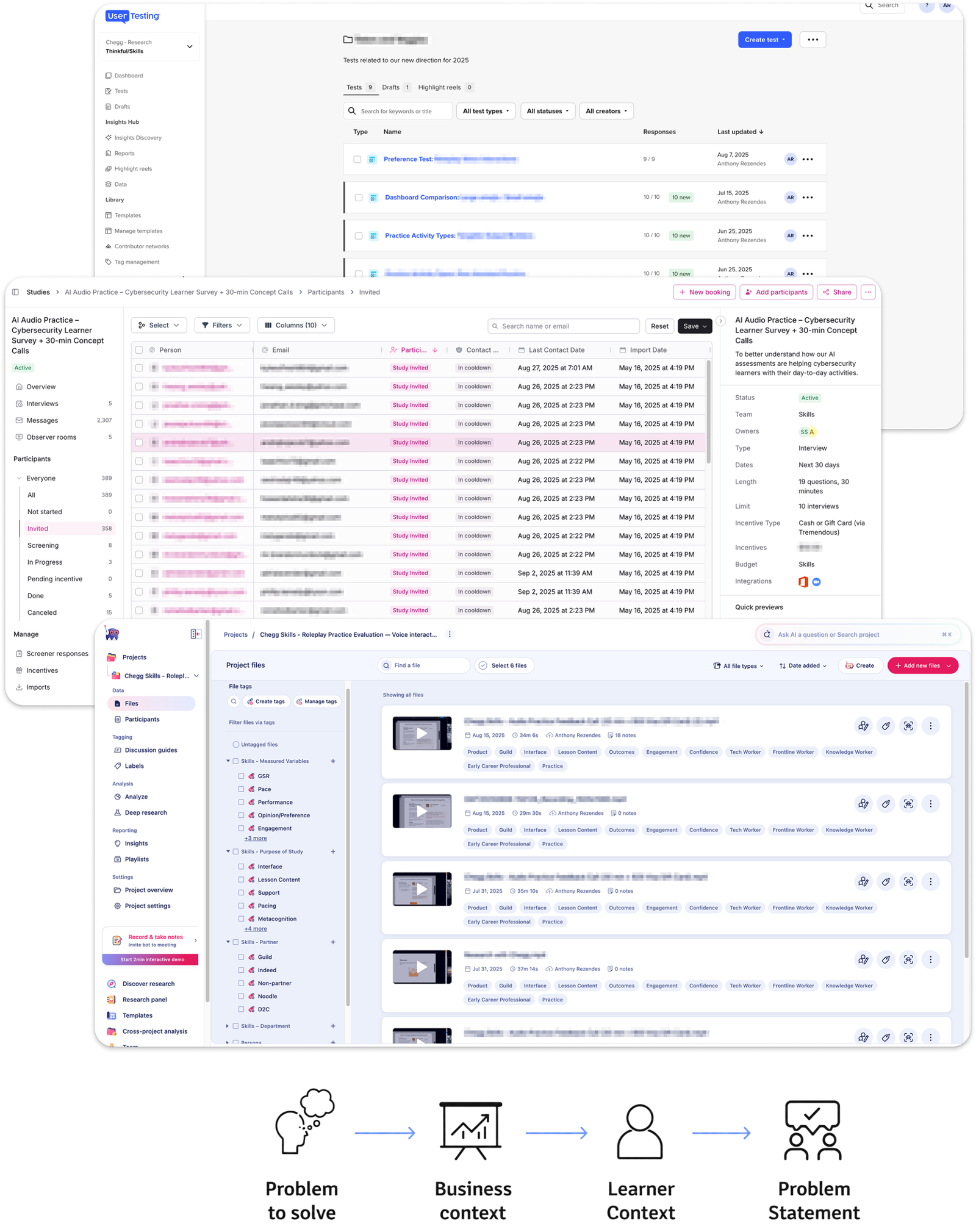
In addition, I trained teams on surveys, diary studies, interviews, and usability testing, and expanded access to platforms including Rally, Marvin, and UserTesting. The goal was to make learner understanding easier to find, easier to trust, and easier to apply.
Research Enablement
Created frameworks, training, and AI-assisted tools that helped teams conduct higher-quality research independently.
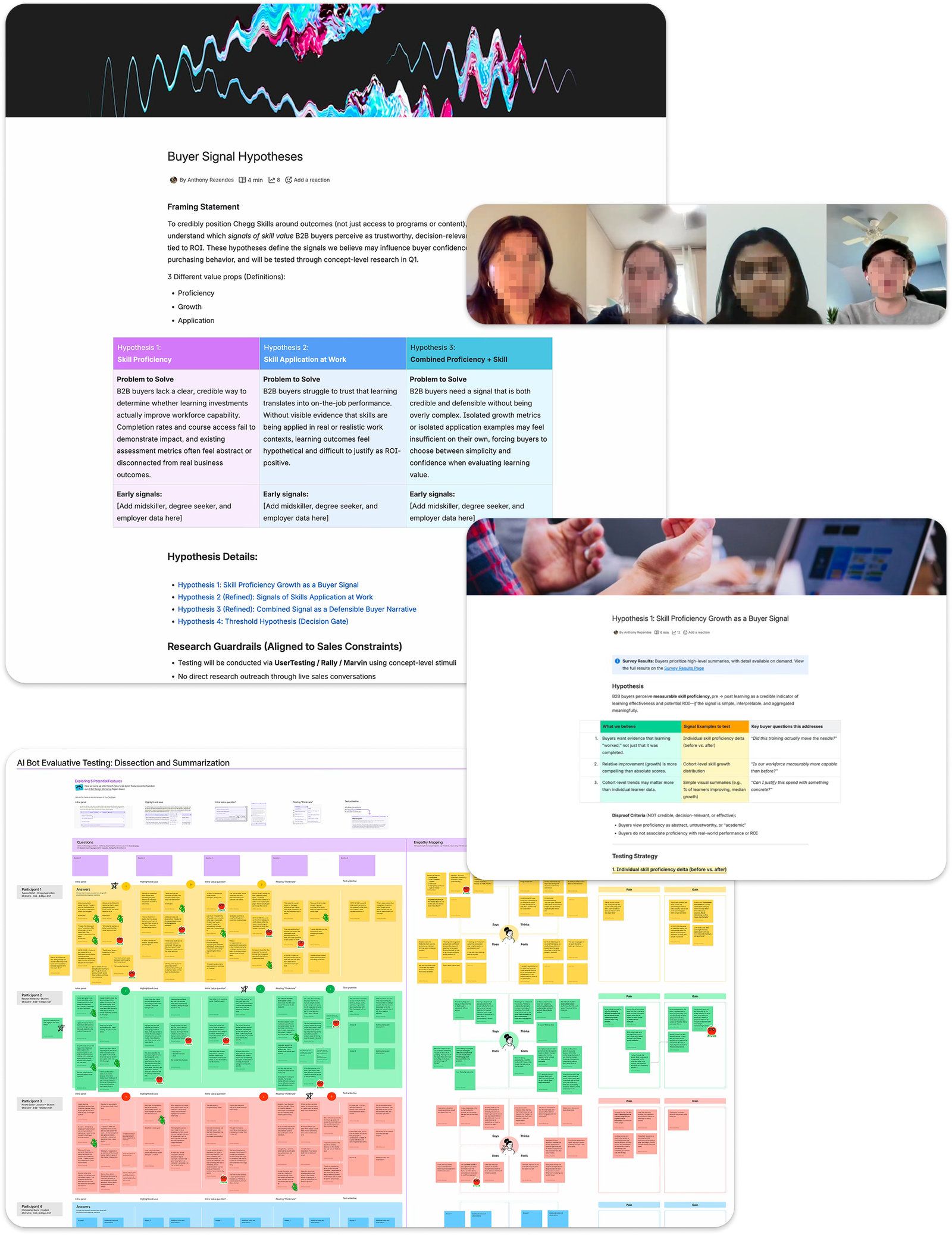
Shared Knowledge
Consolidated research findings, learner feedback, and project learnings into systems that were easier to discover and build upon.
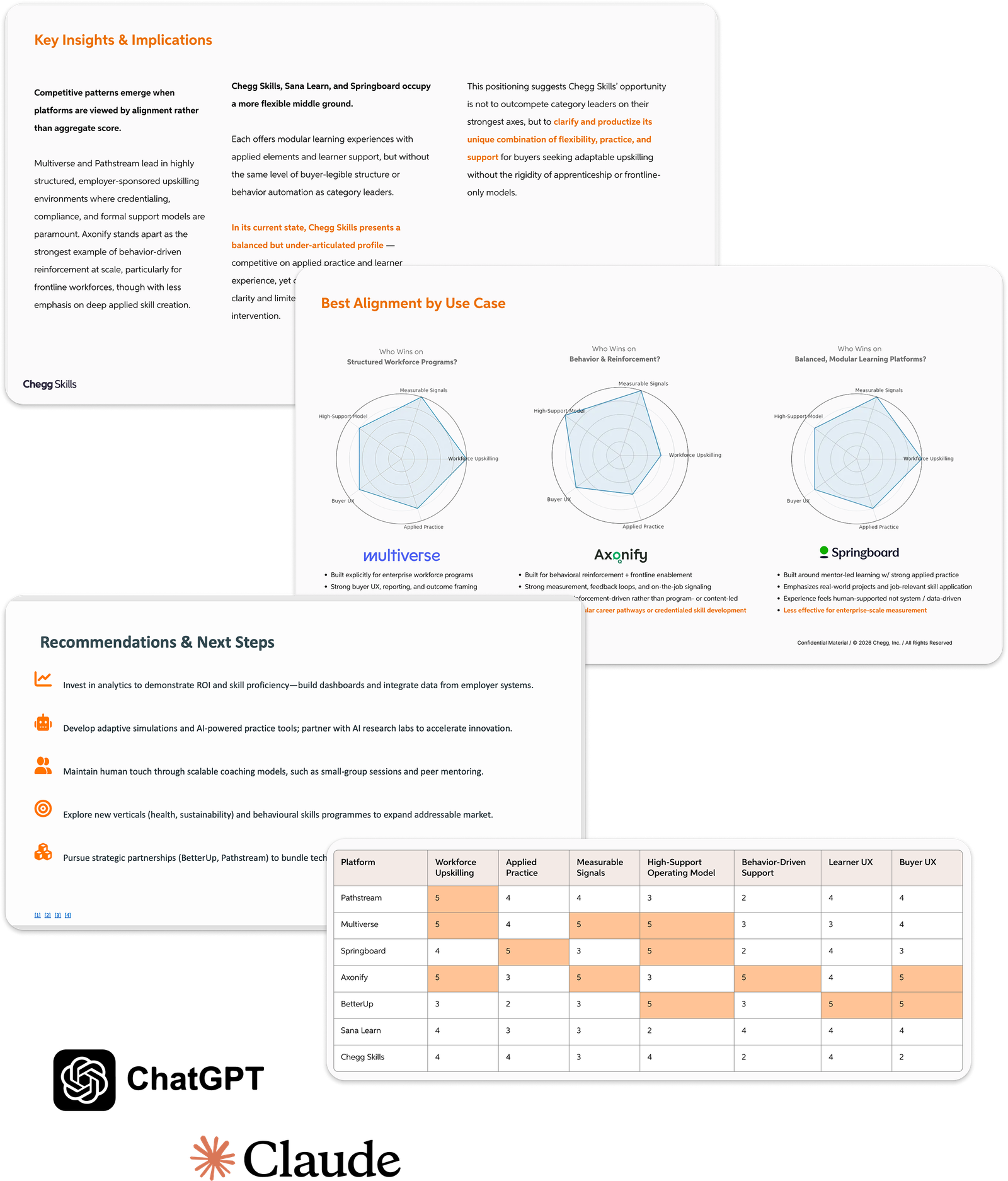
Shared Practices
Established recurring programs and operating rhythms that connected learner feedback to product decisions.
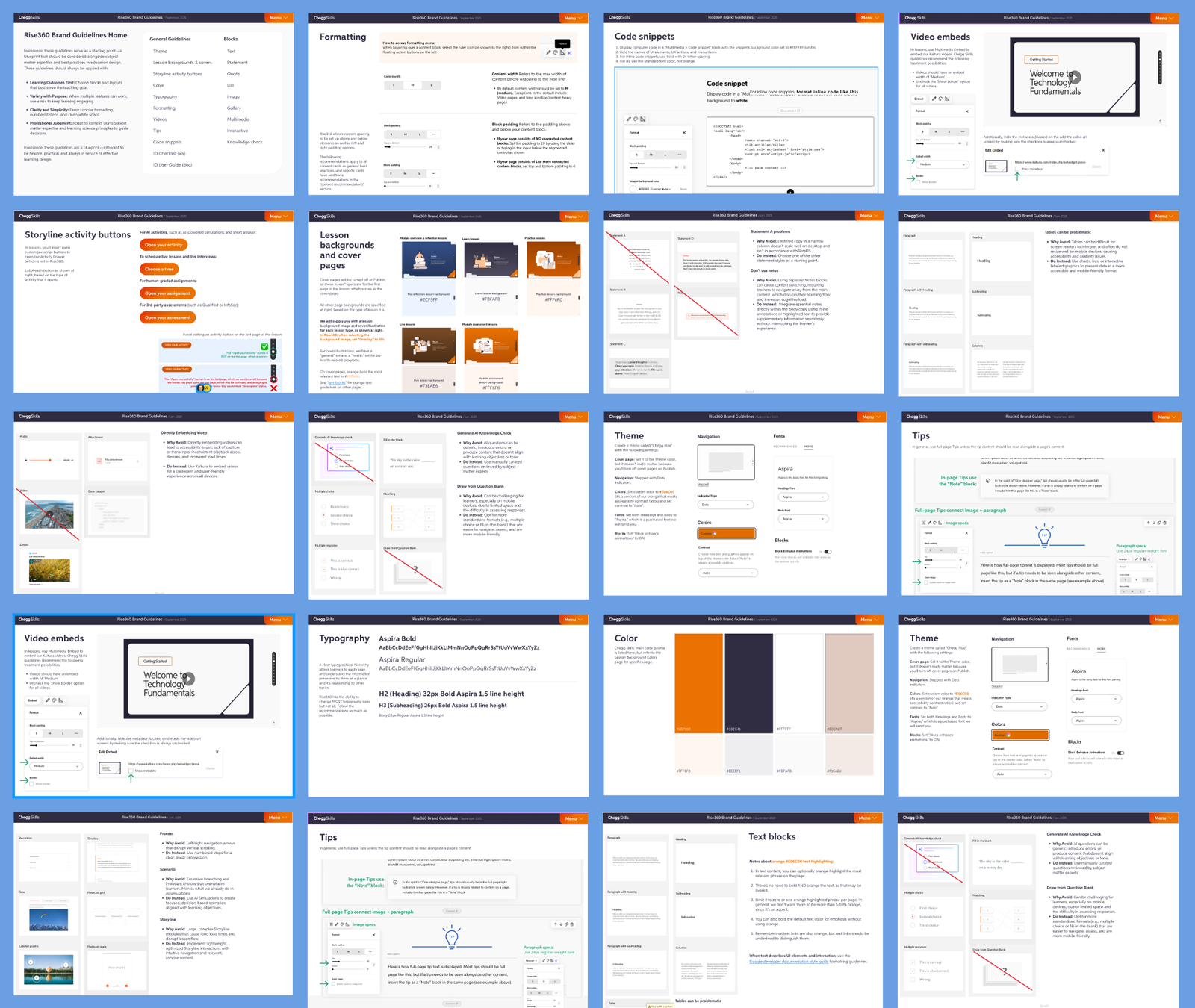
From individual expertise to shared capability
As research, design, and product practices matured, teams gained access to a shared foundation of knowledge, standards, and tools that made decision-making more consistent across the organization.
Common research methods improved confidence in learner insights. Shared design standards reduced duplication across platforms. Teams could build on existing work instead of repeatedly solving the same problems.
The result was greater continuity, faster learning, and stronger collaboration across Product, Design, Marketing, Learning Science, and Support. What began as isolated efforts gradually evolved into a more connected system for understanding learners and improving experiences.
Reflection
Leading Through Ambiguity
The work evolved significantly over time. Team structures changed, research responsibilities shifted, and portions of the organization were reorganized across functions and geographies.
Many of the initiatives on this page were designed to create continuity during periods of uncertainty and help teams continue making informed decisions as priorities, technologies, and organizational structures evolved.
The systems that create the most value are often the ones that continue working after the people who created them are gone.
Capabilities Applied
- Design Leadership
- Research Operations
- Organizational Design
- AI Enablement
- Systems Thinking
- Cross-Functional Facilitation
- Knowledge Management
- Experience Governance
- Team Enablement
- Vendor Strategy
- Change Leadership
- Executive Communication